How AI, Connectivity, and Camera Systems Are Defining the Future of Automotive Safety
The convergence of intelligent technologies is reshaping how vehicles perceive, analyze, and respond to their surroundings.
Industry Background: A Shift Toward Intelligent Safety Ecosystems
The global automotive landscape is undergoing a profound transformation. As urbanization accelerates, vehicle ownership increases, and logistics networks expand, road environments are becoming more complex and demanding. Traditional safety mechanisms—such as mirrors, basic sensors, and passive protection systems—are no longer sufficient to address the dynamic challenges of modern driving.
At the same time, governments and regulatory bodies worldwide are strengthening safety standards, particularly for commercial vehicles and public transportation. Consumers are also becoming more safety-conscious, expecting vehicles to offer not just protection in the event of an accident, but proactive systems that help prevent incidents altogether.
This shift has created a strong demand for intelligent, integrated safety systems, where AI (Artificial Intelligence), connectivity technologies, and vehicle camera systems work together to form a comprehensive safety network. Rather than functioning as isolated components, these technologies are increasingly interconnected—creating what can be described as a new generation of automotive safety architecture.
Core Technologies Driving the Transformation
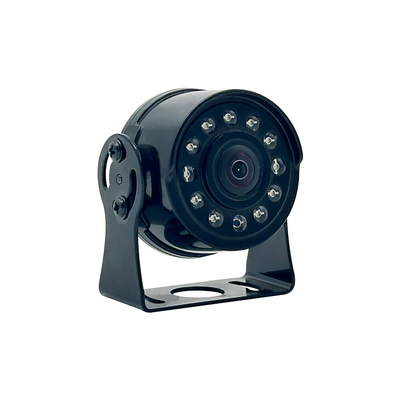
1. Vehicle Camera Systems: The Foundation of Visual Intelligence
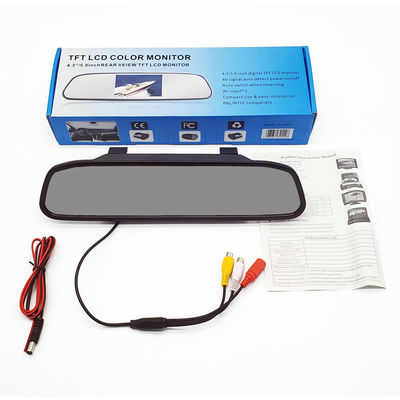
Vehicle camera systems have evolved from simple reversing aids into multi-functional visual platforms that support a wide range of safety applications.
Modern vehicles are now equipped with multiple camera positions:
- Rear view cameras for reversing safety
- Front view cameras for forward obstacle detection
- Side view cameras for lane changes and blind spot monitoring
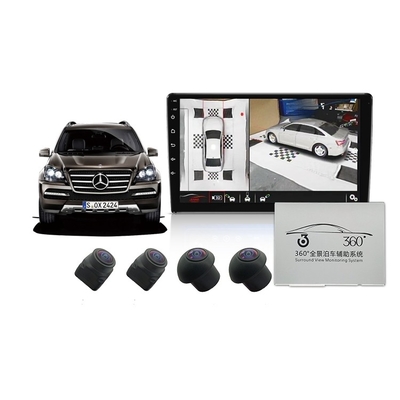
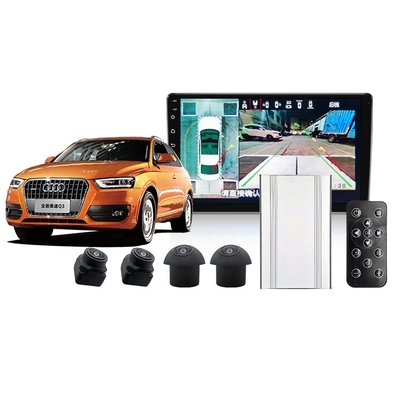
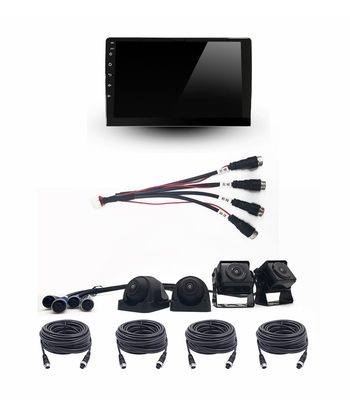
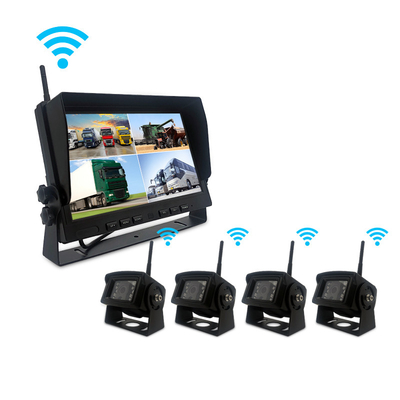
- Multi-camera setups enabling 360° surround view systems
These cameras provide real-time visual data, which is essential for both driver awareness and machine-based analysis.
Key technological advancements include:
- High-definition imaging (AHD / 1080P / higher) for clearer and more accurate visuals
- Wide-angle lenses (up to 170°) to significantly reduce blind spots
- IP67/IP68 waterproof design ensuring reliability in harsh environments
- Advanced night vision technologies, such as infrared (IR) and starlight sensors, enabling visibility in low-light conditions
In essence, camera systems act as the “eyes” of modern vehicles, forming the first layer of perception in the safety ecosystem.
2. Artificial Intelligence: From Passive Monitoring to Active Decision-Making
While cameras capture data, AI transforms that data into actionable insights. This is where the true evolution of automotive safety becomes evident.
AI-powered systems can:
- Detect pedestrians, cyclists, and vehicles in real time
- Identify potential collision risks
- Monitor driver behavior, including fatigue and distraction
- Recognize lane markings and traffic patterns
Key AI-driven safety features include:
- Blind Spot Detection (BSD): Alerts drivers when another vehicle enters a critical side area
- Forward Collision Warning (FCW): Identifies potential frontal collisions and issues warnings
- Driver Monitoring Systems (DMS): Tracks eye movement and head position to detect fatigue or inattention
- Object recognition and tracking: Enables vehicles to understand and predict movement in their surroundings
Unlike traditional systems that rely on fixed thresholds, AI systems continuously learn and improve through data, making them more adaptable to real-world driving conditions.
3. Connectivity: Enabling Real-Time Communication and Data Exchange
Connectivity is the third pillar that completes the intelligent safety ecosystem. Through technologies such as WiFi, 4G/5G, and cloud platforms, vehicles are no longer isolated units—they are connected nodes within a larger network.
Key capabilities enabled by connectivity include:
- Real-time data transmission: Vehicle data, video footage, and alerts can be transmitted instantly to fleet management centers
- Remote monitoring: Fleet operators can monitor driver behavior, vehicle status, and safety events in real time
- Cloud storage and analytics: Large volumes of driving data can be stored and analyzed to improve safety strategies
- Over-the-air (OTA) updates: Systems can be updated remotely, ensuring continuous performance improvement
For commercial fleets, connectivity provides a critical advantage—transforming safety from a reactive process into a proactive, data-driven strategy.
Integration of Technologies: Building a Unified Safety System
The real breakthrough in modern automotive safety lies not in individual technologies, but in their integration.
When camera systems, AI, and connectivity work together, they create a unified system capable of:
- Real-time perception: Cameras capture the environment continuously
- Intelligent analysis: AI processes the data to identify risks
- Immediate response: Alerts are delivered to the driver instantly
- Long-term optimization: Data is transmitted and analyzed to improve future performance
For example:
A 360° surround view system combined with AI can detect a pedestrian in a blind spot, trigger a warning, and simultaneously record and upload the event for fleet analysis. This level of integration significantly enhances both immediate safety and long-term operational efficiency.
Why These Technologies Are Defining the Future
The growing importance of AI, connectivity, and camera systems is driven by several fundamental factors:
- Rising safety expectations: Both consumers and regulators demand higher safety standards
- Cost efficiency: Preventing accidents reduces repair, insurance, and operational costs
- Scalability: These systems can be applied across multiple vehicle categories
- Regulatory compliance: Many regions are moving toward mandatory safety technology adoption
- Technological maturity: Hardware and software costs are decreasing, making solutions more accessible
In combination, these factors ensure that intelligent safety systems are not just a trend, but a long-term industry direction.
Conclusion: Toward a Smarter and Safer Mobility Ecosystem
The future of automotive safety is no longer defined by isolated features, but by integrated, intelligent systems that combine perception, analysis, and communication.
AI provides the intelligence.
Camera systems provide the vision.
Connectivity provides the network.
Together, they form the foundation of a new mobility paradigm—one where vehicles are not just driven, but are aware, responsive, and continuously improving.
As the automotive industry evolves, safety is no longer a passive feature—it is an active, intelligent system powered by data, connectivity, and innovation.


 Por favor verifique seu email!